Preface

Hepatitis B has been an under-appreciated disease which is often neglected and stigmatised by the society in general. Neglect and stigma can be reduced through understanding and compassionate actions by society. This article delves further into the significant milestones that have shaped our knowledge of this little virus.

Hepatitis B has long existed on earth since several and ancient genomes discovered are found to be thousands of years old. However, we were protected by ignorance and therefore, discrimination against the carriers of hepatitis B was not the priority of the society of that time. , typically characterised by yellowing of the skin and eyes, is the defining symptom of hepatitis B and while social biases existed, the specific bias against “hepatitis B” did not manifest back then.

The modern understanding only began to coalesce in the early 20th century and led to the differentiation of “infectious” and “serum” hepatitis. With that understanding, it also gave people the power to judge and humans, being humans, managed to veer the society towards discrimination against carriers but specificity still eluded people who wanted to practice discrimination. In 1947, the terms “hepatitis A” and “hepatitis B” were formally introduced and the solidification of hepatitis B as a distinct and transmissible condition allowed discrimination to take its shape.

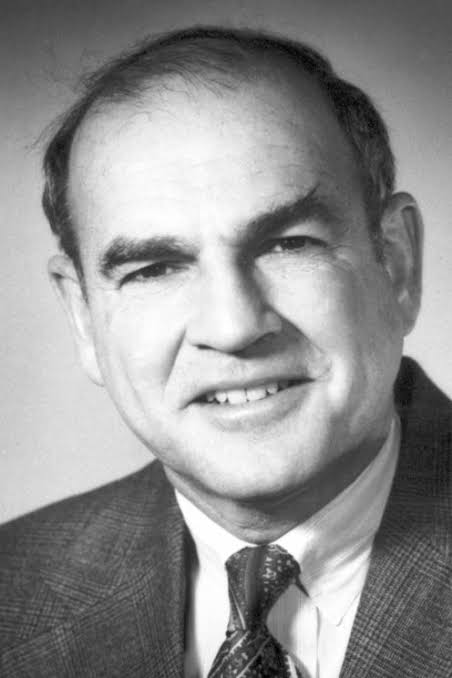
Doctor Baruch Samuel Blumberg

A true watershed moment arrived with the discovery of the “Australia antigen” by Dr. Baruch Blumberg and colleagues in 1966, later identified as the hepatitis B virus surface antigen (HBsAg). This historic discovery, for which Blumberg was awarded the Nobel Prize, provided the first specific marker for HBV and ignited a flurry of research. Thereafter, the viral nature of hepatitis B was confirmed with the visualisation of Dane particles (HBV virions) with an electron microscope.  This led to the formal designation of the antigen as hepatitis B surface antigen (HBsAg). Around the time, the first testing of donor blood for Australia antigen commenced in 1969-1970 and the first vaccine to protect against hepatitis B was developed. As the scientific endeavours advanced, the society also sharpened fear into widespread stigma and discrimination that started emanating from the laymen to the scientific and medical communities.

Hepatitis B, being the first to be discovered among the family of hepatitis viruses, led to the subsequent identification of Hepatitis A virus and Hepatitis D virus. This formed the backbone of the modern understanding of Hepatitis family of viruses and helped in distinguishing the different forms of viral hepatitis. It is ironic that being first did not necessarily mean well for many HBV carriers since we were made into visible targets of fear, stigma and discrimination.

The first licensed plasma hepatitis B vaccine became commercially available in the early 1980s, marking a significant victory in the prevention of HBV infection. The discovery was associated with several forms of inequities: disparities in vaccination coverage; barriers to birth dose vaccination; socioeconomic inequalities; uneven access to healthcare services; impact of disruptions (natural disasters, war, pandemics) and lack of adherence to vaccination schedules. Despite the presence of uncontrollable factors present in our lives, hepatitis B was mostly associated as a moral failing which could be attributed mainly to the carriers. However, the overall impact of the vaccine had been a major public health triumph, aiming to protect everyone from HBV infection and its serious consequences.

Around the mid-1980s, the first clinical trial of interferon-alpha therapy for chronic hepatitis B was conducted. Clinicians initially proposed that chronic hepatitis B resulted from an impaired immune response, leading to the first attempts at therapy using interferon-alpha (IFN-α), which was administered via an injection.

Recognising the immense global health burden of HBV, the World Health Organisation (WHO) has set an ambitious goal to eliminate viral hepatitis as a public health threat by 2030. This involves strategic directions focusing on:

  • Delivering high-quality, evidence-based services
  • Optimising systems and partnerships for impact
  • Generating and using data to drive decisions for action
  • Engaging communities for a people-centred response.
  • Fostering innovations for impact.
  • Developing investment cases in priority countries to rapidly shift to a public health approach
  • Mobilising innovative financing.
  • Generating and utilising improved country data

The WHO is also actively involved in supporting countries by disseminating guidelines, supporting capacity building, and aiding in the integration of viral hepatitis interventions into funding applications like the Global Fund. Furthermore, research priorities include improved diagnostics and working towards a hepatitis B cure, with WHO playing a key role in convening stakeholders to guide these priorities.

Despite these significant advancements, a complete cure for chronic hepatitis B remains an elusive goal for most individuals. Current research is intensely focused on achieving a “functional cure,” characterised by the sustained loss of HBsAg. This pursuit involves exploring new antiviral targets, immunomodulatory therapies, and strategies to eliminate or silence the persistent covalently closed circular DNA (cccDNA) within infected liver cells. Understanding the intricate interplay between the virus and the host immune system is paramount and crucial in driving progress towards HBV cure strategies and ultimately achieve the WHO’s elimination targets by 2030.

These ongoing efforts, the current treatment paradigms, and the promising research avenues hold the potential to transform the lives of millions living with chronic hepatitis B. By understanding the historical context and the remarkable progress made, we can better appreciate the challenges that remain and the urgency of the quest for a definitive cure and global elimination of disease, stigma and discrimination

Lived Experience

This lived experience story will delve deeper into the lives of people who lived in 1990 Thailand and give a quick snapshot of their lives marked by hepatitis B.  This is just the first part, and their journey will continue in part 2. We shall not spoil it now but keep a lookout for their story on Hep B companion website!

We hope that you will appreciate the universally shared emotions and connect with this story on a humane level. Most importantly, we sincerely hope that this does not just stay as a story but rather acts as a bridge to awaken your empathy, prompts you to take meaningful and decisive actions in your life and become part of our movement to advocate for the rights of all those affected by the hepatitis B virus (HBV) and ensure access to healthcare, testing, and clinical research.

Chapter One: The Yellow Disease (The Mother)

The slight breeze brushed across my skin but the heat, as always, clung to my skin, thick and unescapable. The pot of rice crackled softly on the stove and the scent of fried garlic hung in the air.

I wiped the sweat from my forehead and extinguished the fire. The room felt bright and empty- the kind of stillness that was both familiar, lonely and could only be broken by love. I lit up incense sticks and a candle and watched the smoke curl above the altar, thin as thread.

I swept the floor twice and folded my son’ clothes. Work kept me busy, and I hurried from one room to another like a person trying not to think. But thoughts clung to me like they have their own legs. They always managed to catch up.

Today was Memorial Day for my beloved mother and husband. Grief still wrapped around my heart. Pain of losing your loved ones refused to leave and left a constant dull pain even if years had passed.

My own mother died with her skin the colour of turmeric. My husband followed ten years later with the same yellow eyes. The doctors simply shook their heads and never told us what it was. We called it as what everyone did: the yellow disease.

My ten-year-old son didn’t know yet and we never discussed about it in the house. He knew we went to the clinic last week and the nurse had taken his blood. He knew we were going to the UK soon- he talked about the snow he had never seen in his whole life. He dreamed about buses with two floors like a treasure.

My sweet little bird! How I wish the bitter realities of life never touched him!

But he didn’t know that the doctor has asked him and me to go for a test I have never heard of. A test. A quiet request the young doctor made while my son was distracted by the posters on the clinic’ walls. The yellow eyes of my late mother and husband suddenly came back to haunt me.

He doesn’t know that when I packed our bags, I left space between his clothes for clinic papers, x-rays, and a kind of fear that doesn’t fold neatly.

When he came home from school, he ran straight to the fan, arms spread like wings. “Ma, it’s so hot today,” he said. The stillness was finally broken by love.

I nodded. “Go change. We have to go back to the clinic.”

He groaned. “Again?”

“It won’t take long.”

He didn’t argue. He never did. I smoothed his uniform and tucked the clinic receipt into my bag. The ink was already fading.

As we walked, the street bustled with children in barefoot and women balancing baskets of fruit and snacks. The air smelled of tamarind and exhaust. My hand wrapped around his like a rope.

Inside the clinic, the walls were pale and tired. A fan turned slowly overhead, and someone coughed in the next room. I handed the nurse our slip. She nodded and disappeared.

We waited.

I stared at the wall. I counted the cracks in the floor. I watched my son swing his legs. I touched the back of his neck, just to feel the warmth of him.

When the doctor came out, he said my name gently. He held a folder in both hands.

Everything I have ever feared fits between those pages.

And he hasn’t even opened them yet.

Join our community

Sign up with us for current information about living with Hepatitis B. Get our latest news in your inbox by subscribing here.